


[Registration Open] (Webinar) The 140th HGPI Seminar “Early Detection to Reduce COPD Disease Burden: Connecting Clinical Frontiers with Health Policy” (January 27, 2026)
date : 12/12/2025

![[Registration Open] (Webinar) The 140th HGPI Seminar “Early Detection to Reduce COPD Disease Burden: Connecting Clinical Frontiers with Health Policy” (January 27, 2026)](https://hgpi.org/en/wp-content/uploads/sites/2/hs140-top.png)
Chronic Obstructive Pulmonary Disease (COPD) is recognized as a disease with a substantial burden both domestically and internationally, and is considered to impose significant healthcare costs. While the risk factors for COPD are predominantly attributed to daily inhalation of harmful substances such as smoking and air pollution, a key characteristic of the disease is that clinical symptoms are often difficult to detect in its early stages. As a result, it is believed that there are many potential patients who remain undiagnosed or have not sought medical care despite being affected.
COPD presents challenges in achieving early detection and continuous treatment due to the limited availability of spirometry (pulmonary function testing) necessary for diagnosis, as well as the difficulty in recognizing gradually changing symptoms in daily life. Given these challenges, public understanding of COPD and other respiratory diseases, engagement in preventive behaviors, and awareness of the need for regular medical care remain insufficient. Meanwhile, delayed intervention for declining respiratory function can negatively affect overall health, including cardiac function, bone density, nutritional status, and mental health. Moreover, COPD frequently coexists with leading causes of mortality such as heart disease and lung cancer, acting as an exacerbating factor or hindering treatment. Therefore, deepening interest in and understanding of COPD also contributes to raising public awareness of respiratory symptoms and improving comprehension of respiratory diseases. In light of these connections, early detection of COPD is a critical public health issue closely linked to the urgent need for strengthened and expanded healthcare systems.
While efforts are underway to develop early detection methods that do not rely on effort-dependent pulmonary function tests required for diagnosis, challenges have also been identified in healthcare delivery systems and medical access, including an insufficient number of specialists relative to the estimated patient population. To advance these initiatives, support through legal and institutional frameworks remains inadequate compared to other medical fields, necessitating policy-level responses.
In this HGPI Seminar, we will focus on COPD, a disease with a high number of potential patients due to characteristics of Japan’s healthcare environment and lifestyle. We are honored to welcome Dr. Shigeo Muro from Nara Medical University, who will deliver a comprehensive lecture covering a broad range of topics—from healthcare-seeking behaviors expected of citizens and patients to policy challenges that should be addressed at the municipal and national levels.
Drawing on his extensive experience in both clinical practice and research, Dr. Muro will provide concrete insights into the role and potential of respiratory medicine within the healthcare system from both scientific and policy perspectives. Using COPD as a lens, we hope this seminar will serve as an opportunity to reaffirm the challenges and possibilities of the overall healthcare system and to inspire actions for improvement ranging from the individual to the policy level.
[Event Overview]
- Speaker:
Dr. Shigeo Muro (Professor, Department of Respiratory Medicine, Nara Medical University / Vice Director, Nara Medical University Hospital) - Date & Time: Tuesday, January 27, 2026, 18:00-19:15 JST
- Format: Online (Zoom webinar)
- Language: Japanese
- Participation Fee: Free
- Capacity: 500 participants
■Profile:
Dr. Shigeo Muro (Professor, Department of Respiratory Medicine, Nara Medical University / Vice Director, Nara Medical University Hospital)
Professor Muro graduated from Kyoto University Faculty of Medicine in 1989 and worked at Tazuke Kofukai Kitano Hospital before completing his doctoral program at Kyoto University Graduate School in 1998 (Ph.D. in Medicine). After serving as a research fellow at McGill University Meakins-Christie Laboratories and as lecturer and associate professor at Kyoto University, he assumed his current position in 2018. He serves as Executive Director and Chair of the Insurance Committee of the Japanese Respiratory Society. He served as Chief Editor and Vice-Chair for the 5th through 7th editions of the society’s ‘Guidelines for the Diagnosis and Treatment of COPD’ and as Chair for the 2nd edition of ‘Guidelines for the Diagnosis and Treatment of Asthma and COPD Overlap’ (published in 2024). He is also actively involved in ‘Komorebi 2032,’ the society’s project aimed at reducing COPD mortality rates. He received the 1st Prize of the 42nd Baelz Award (2005) and the Japanese Respiratory Society Kumagai Award (2014).

Related Posts
-
2025-09-19
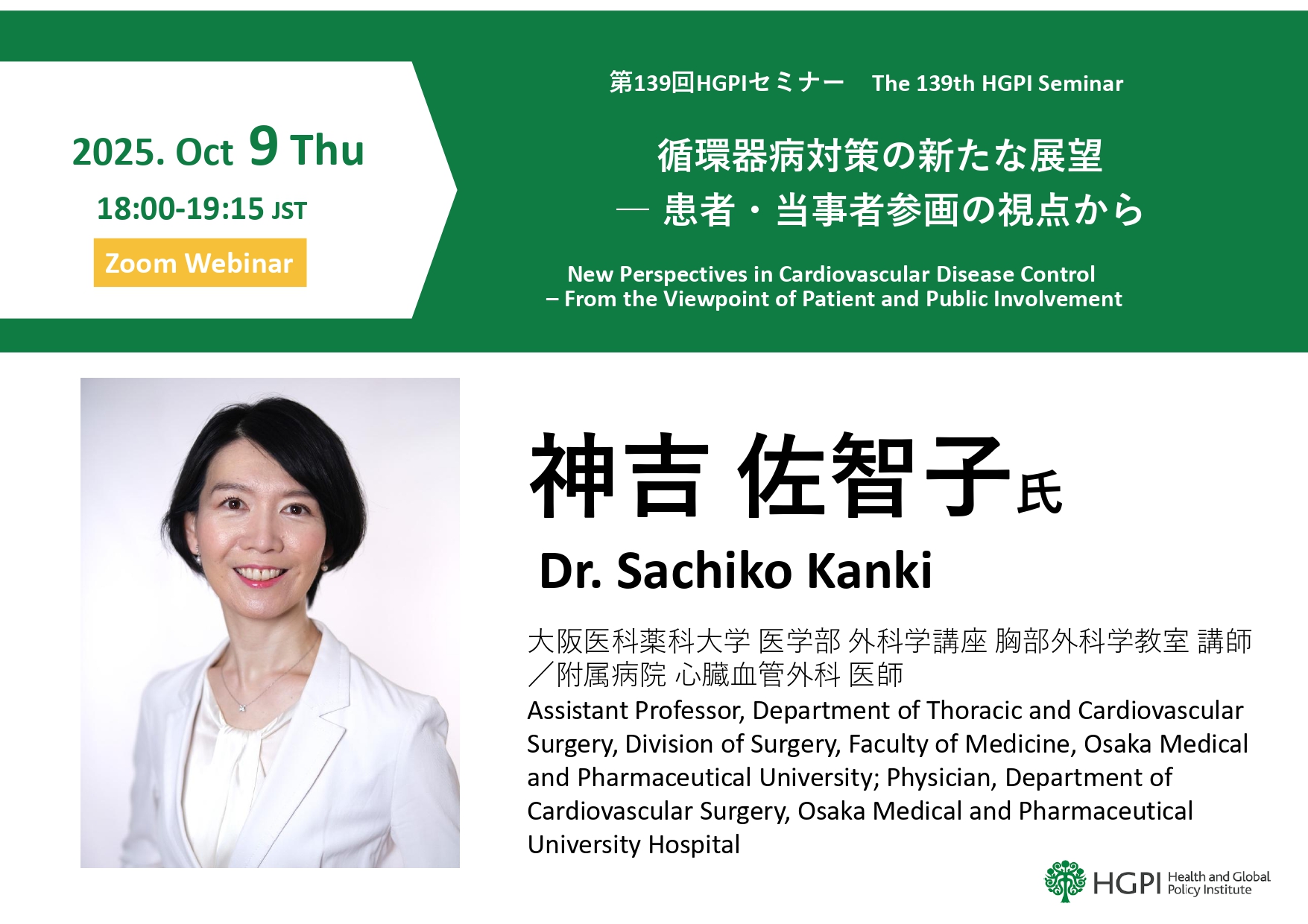
[Registration Closed] (Webinar) The 139th HGPI Seminar “New Perspectives in Cardiovascular Disease Control - From the Viewpoint of Patient and Public Involvement” (October 9, 2025)
-
2025-07-22
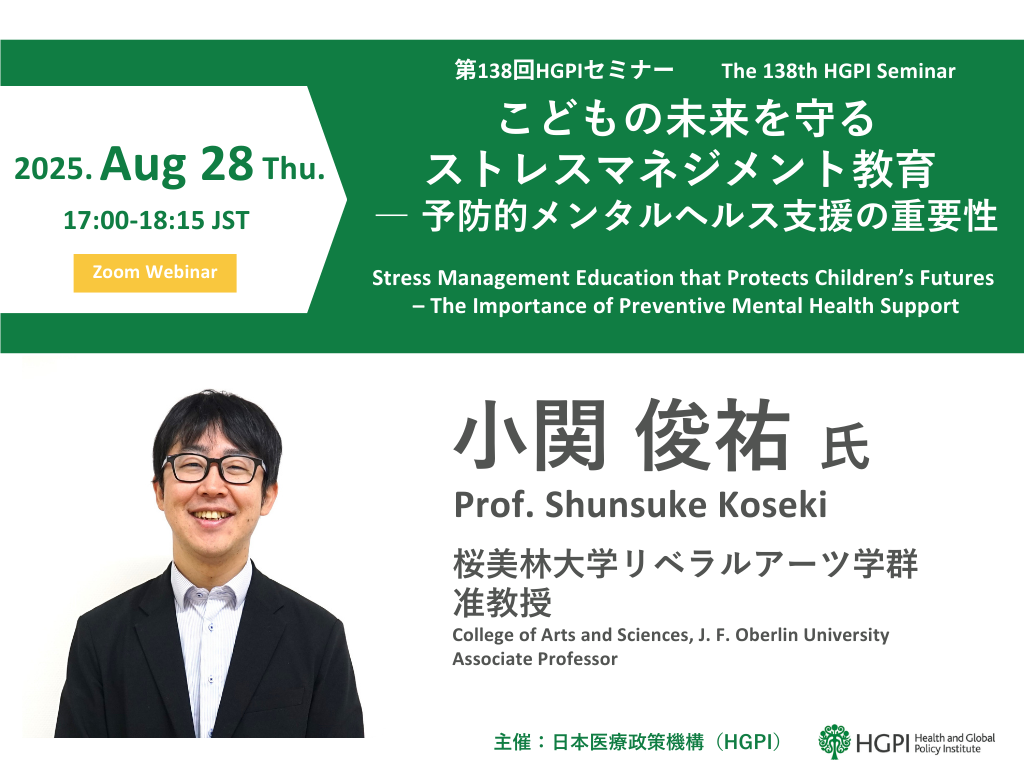
[Registration Closed] (Webinar) The 138th HGPI Seminar “Stress Management Education that Protects Children’s Futures – The Importance of Preventive Mental Health Support” (August 28, 2025)
-
2025-10-15
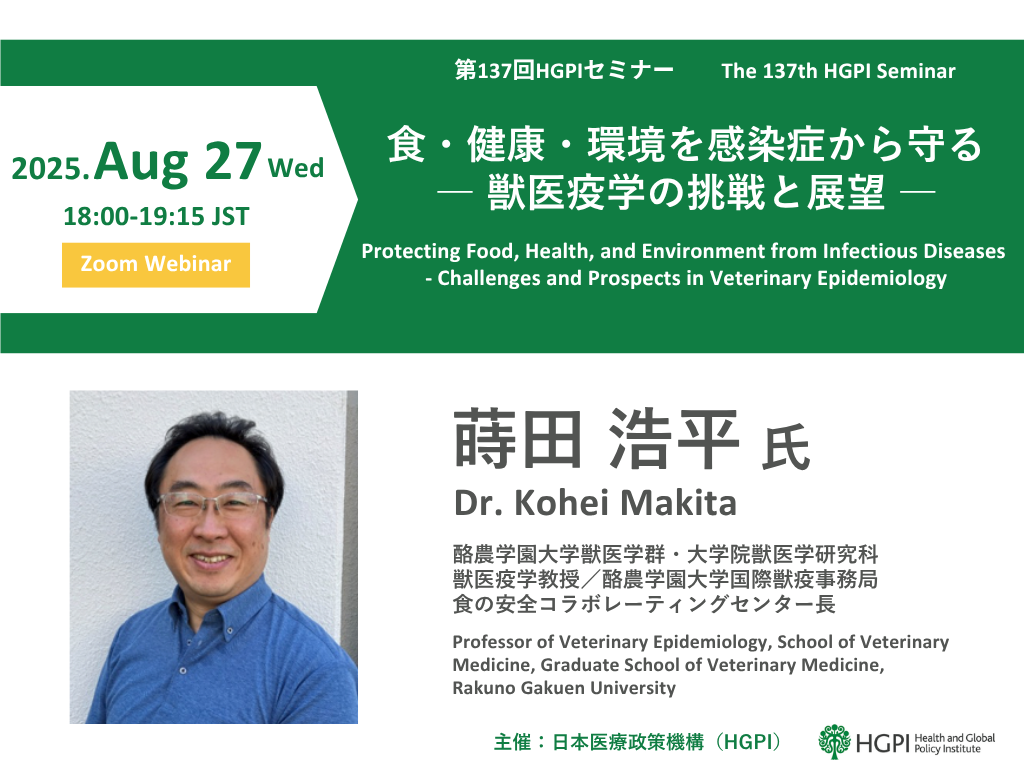
[Event Report] The 137th HGPI Seminar “Protecting Food, Health, and the Environment from Infectious Diseases – Challenges and Prospects in Veterinary Epidemiology” (August 27, 2025)
-
2025-10-21
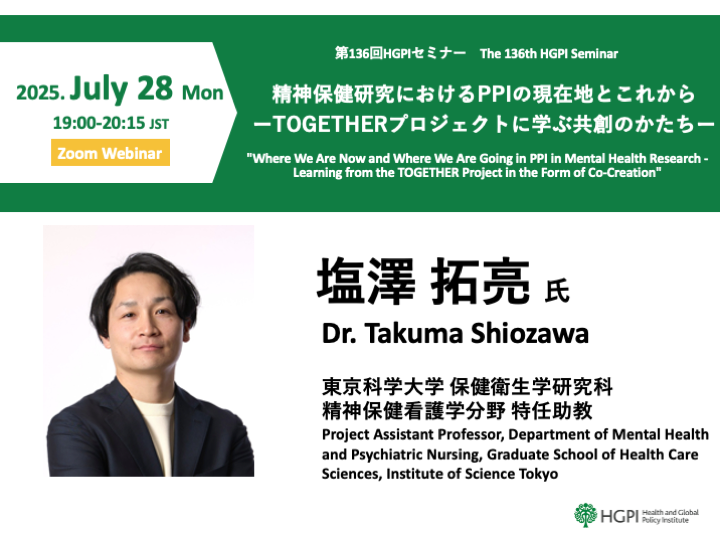
[Event Report] The 136th HGPI Seminar "Where We Are Now and Where We Are Going Regarding PPI in Mental Health Research: Learning from the TOGETHER Project in the Form of Co-Creation" (July 28, 2025)
-

2025-12-09
[Event Report] “Future of the Healthcare System” Series - 2nd Advisory Meeting: Reimagining Public Engagement for Sustainable Health Systems (November 20, 2025)
-
2025-09-29
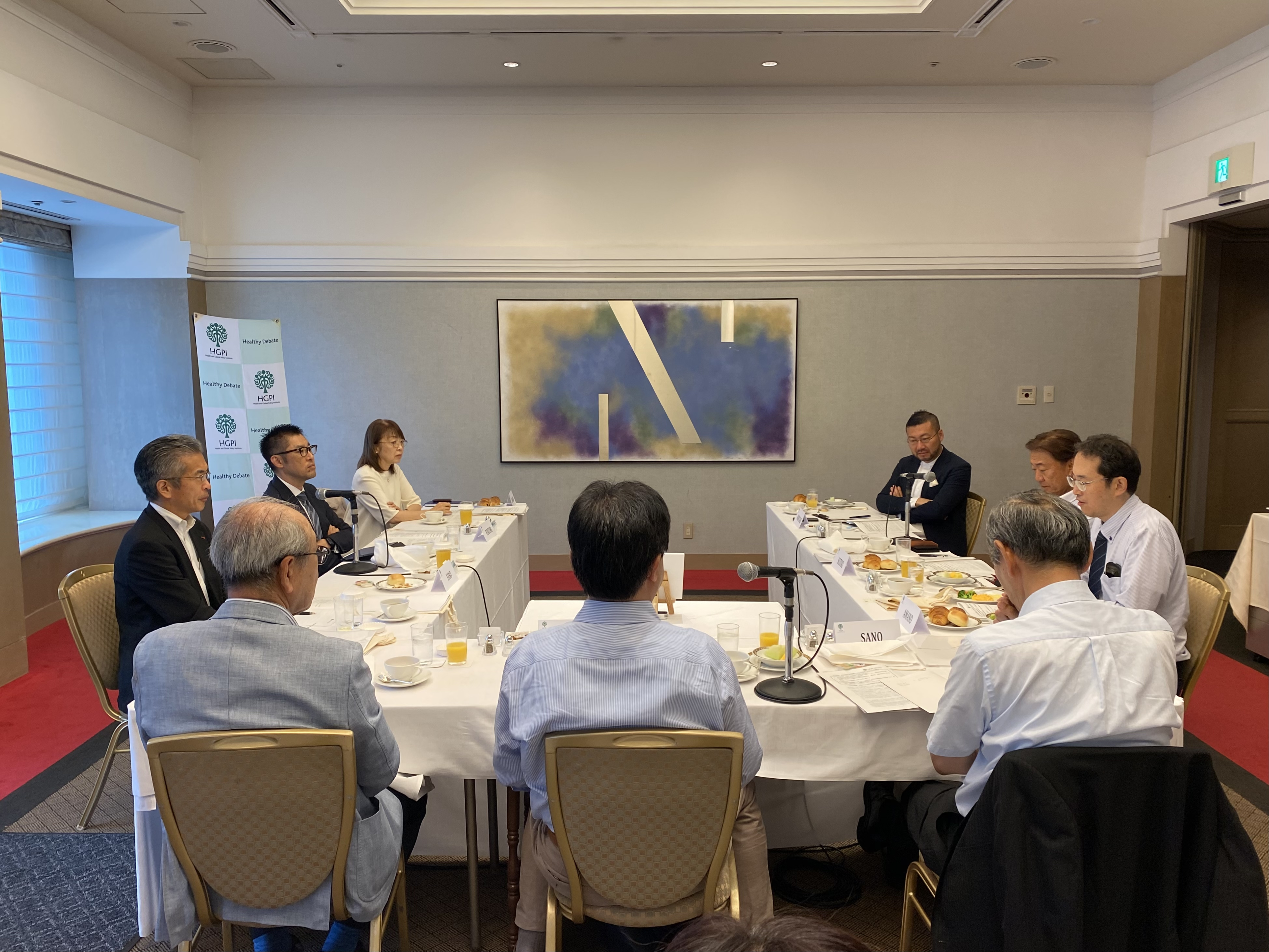
[Event Report] “Future of the Healthcare System” Series - 1st Advisory Meeting: Reimagining Public Engagement for Sustainable Health Systems (September 9, 2025)
-
2025-08-28
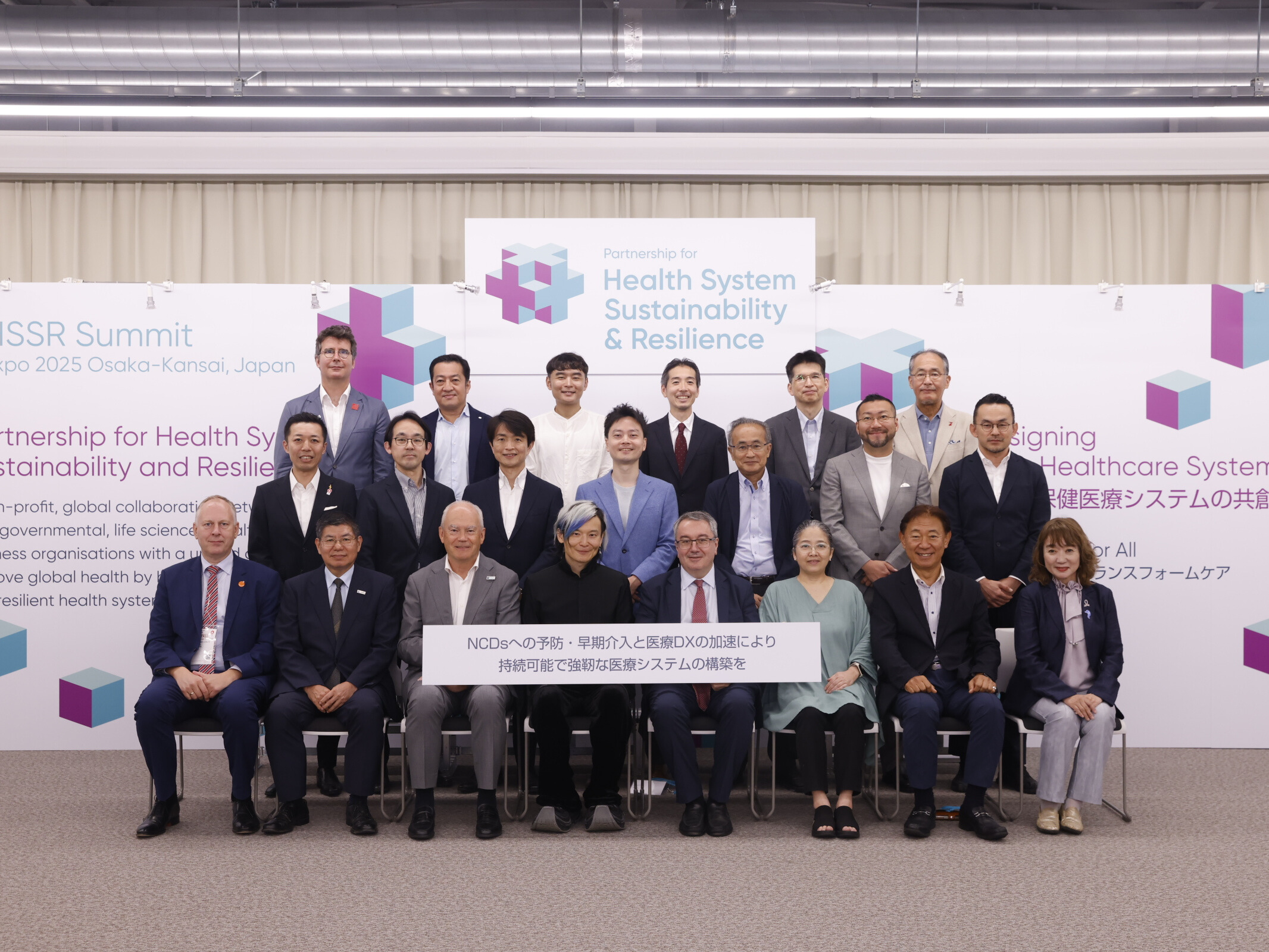
[Event Report] EXPO 2025 Thematic Project “Resonance of Life” PHSSR Summit 2025 “Co-designing Stronger Health Systems – Transforming Care for All” (June 30, 2025)
-
2022-12-06
[Publication Report] The Future of the Healthcare System Project Presents “Partnership for Health System Sustainability and Resilience” Report (December 5, 2022)
Top Research & Recommendations Posts
- [Research Report] Perceptions, Knowledge, Actions and Perspectives of Healthcare Organizations in Japan in Relation to Climate Change and Health: A Cross-Sectional Study (November 13, 2025)
- [Research Report] The 2025 Public Opinion Survey on Healthcare in Japan (March 17, 2025)
- [Policy Recommendations] Mental Health Project: Recommendations on Three Issues in the Area of Mental Health (July 4, 2025)
- [Research Report] The 2023 Public Opinion Survey on Satisfaction in Healthcare in Japan and Healthcare Applications of Generative AI (January 11, 2024)
- [Policy Recommendations] Developing a National Health and Climate Strategy for Japan (June 26, 2024)
- [Policy Recommendations] Reshaping Japan’s Immunization Policy for Life Course Coverage and Vaccine Equity: Challenges and Prospects for an Era of Prevention and Health Promotion (April 25, 2025)
- [Research Report] Survey of Japanese Nursing Professionals Regarding Climate Change and Health (Final Version) (November 14, 2024)
- [Announcement] HGPI Endorses the “Belém Health Action Plan” (November 14, 2025)
- [Policy Recommendations] Recommendations on Strategic Investments in Policies for Brain Health to Revitalize Japan: Hopes for the New Administration (December 1, 2025)
- [Publication Report] Planetary Health Promotion Project “Issues Facing Planetary Health and the Role of the Health Sector” (May 10, 2023)
Featured Posts
-
2025-12-01
[Policy Recommendations] Recommendations on Strategic Investments in Policies for Brain Health to Revitalize Japan: Hopes for the New Administration (December 1, 2025)
![[Policy Recommendations] Recommendations on Strategic Investments in Policies for Brain Health to Revitalize Japan: Hopes for the New Administration (December 1, 2025)](https://hgpi.org/en/wp-content/uploads/sites/2/HGPI_20251201_Recommendations-on-Strategic-Investments-in-Policies-for-Brain-Health.png)
-
2025-12-09
[HGPI Policy Column] (No.66) — From the Planetary Health Project “Part 16: The Global Plastics Treaty: Discourse on Human Health in International Environmental Law”
![[HGPI Policy Column] (No.66) — From the Planetary Health Project “Part 16: The Global Plastics Treaty: Discourse on Human Health in International Environmental Law”](https://hgpi.org/en/wp-content/uploads/sites/2/HGPI_20251208_PlasticsTreaty.png)
-
2025-12-09
[Event Report] Special Seminar “Rising to New Challenges in Health Sciences for Future Society: Novel Developments in the Field of Epilepsy in Japan and Globally” Belgium Pavilion Special Seminar, World Expo 2025 Osaka, Kansai (September 18, 2025)
![[Event Report] Special Seminar “Rising to New Challenges in Health Sciences for Future Society: Novel Developments in the Field of Epilepsy in Japan and Globally” Belgium Pavilion Special Seminar, World Expo 2025 Osaka, Kansai (September 18, 2025)](https://hgpi.org/en/wp-content/uploads/sites/2/HGPI_20250805_mental-health-expo-eyechatch.png)
-
2025-12-11
[Event Report] Core Components of Universal Health Coverage (UHC): Achieving “Healthcare Without Financial Hardship” in Asia-Pacific and Japan (December 5, 2025)
![[Event Report] Core Components of Universal Health Coverage (UHC): Achieving “Healthcare Without Financial Hardship” in Asia-Pacific and Japan (December 5, 2025)](https://hgpi.org/en/wp-content/uploads/sites/2/HGPI_20251210_Core-Components-of-Universal-Health-CoverageUHC-top.jpg)
-
2025-12-12
[Registration Open] (Webinar) The 140th HGPI Seminar “Early Detection to Reduce COPD Disease Burden: Connecting Clinical Frontiers with Health Policy” (January 27, 2026)
